Pest control in Brisbane, read off the river
Brisbane’s pests rise and fall with its water. Queensland Health says leptospirosis, carried in the urine of rats and other animals, can spread more easily after heavy rain or floods, and Business Queensland says the West Indian drywood termite is established in many Brisbane suburbs.
A guide published by Dotto from the official sources listed at the foot of each page: Queensland Health and its Poisons Information Centre, Business Queensland, QBCC, Queensland legislation and, where it is labelled, NSW Health.
Five readings on the gauge
Each guide is one reading on the post, from the flood at the top to the fumigation tent at the foot. Each one answers a single question from the official source that owns the answer: Queensland’s first, and NSW Health’s where a page labels it.
- FloodRats and leptospirosis after a flood
How the infection gets in, how to stay safe in the clean-up, and the symptoms to know in the weeks after the water goes down.
- TimberWest Indian drywood termites
A termite that never touches the ground, set beside the ones that do, and what Queensland now asks of an owner who finds one.
- The visitBefore and after a treatment
The two notices a licensed technician must give you, when each one is due, and what the second one names.
- The spillPesticide poisoning first aid
The Queensland Poisons Information Centre’s first aid for a poison swallowed, in the eye, on the skin or breathed in, every step kept.
- The tentFumigation in Queensland
The risk area, the barricades, the red warning signs and the clearance certificate, in the regulation’s own words.
- A drawn post: its numbers order the guides and are not river heights.
Poisoning first aid, kept whole
The Queensland Poisons Information Centre says it can help anywhere in Australia, 24 hours a day, 7 days a week, and that callers talk to a pharmacist trained in the harmful effects of poisons. Its first aid for a poison swallowed, in the eye, on the skin or breathed in is copied whole, every step in its order, on pesticide poisoning first aid, and the original is the Centre’s household poisons page.
Three marks on the post
A gauge is read in three moods: the water coming up, the long wet, and the drying out. The Queensland sources have something to say about each.
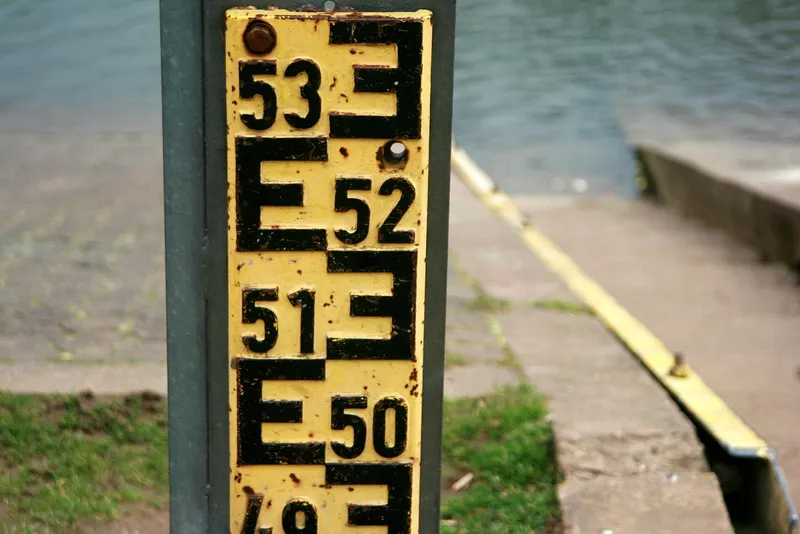
- High waterQBCC says that if flooding has surrounded a house or covered its internal floors, the owner should check the termite management system for signs of damage. Leptospirosis spreads through the urine of infected animals, rats and mice among them, which is why the flood reading starts with staying out of floodwater, closed-in shoes or boots, gloves and a waterproof dressing.
- The wet“Termites seek moisture, so it is important to clear water pooling in gutters, empty cans, or other objects around the property and fix leaking items, such as pipes and taps,” QBCC’s Commissioner said in a storm-season warning issued during flooding in north Queensland.
- The drying outTermites have relatively little resistance to drying out, Business Queensland says in its page on subterranean termites. Drying helps in the clean-up too: healthdirect says soap, disinfectants and drying kill the leptospirosis bacteria quickly.
One pest ignores the river altogether. The West Indian drywood termite takes its moisture from the timber itself and needs no contact with the ground, so its reading looks up into the roof rather than down at the stumps. And whatever the season, a licensed technician in Queensland gives you a notice before a pest control job starts, the first of the two papers on the visit’s reading.